


Why Consumer Confidence Is Rising In the U.S.

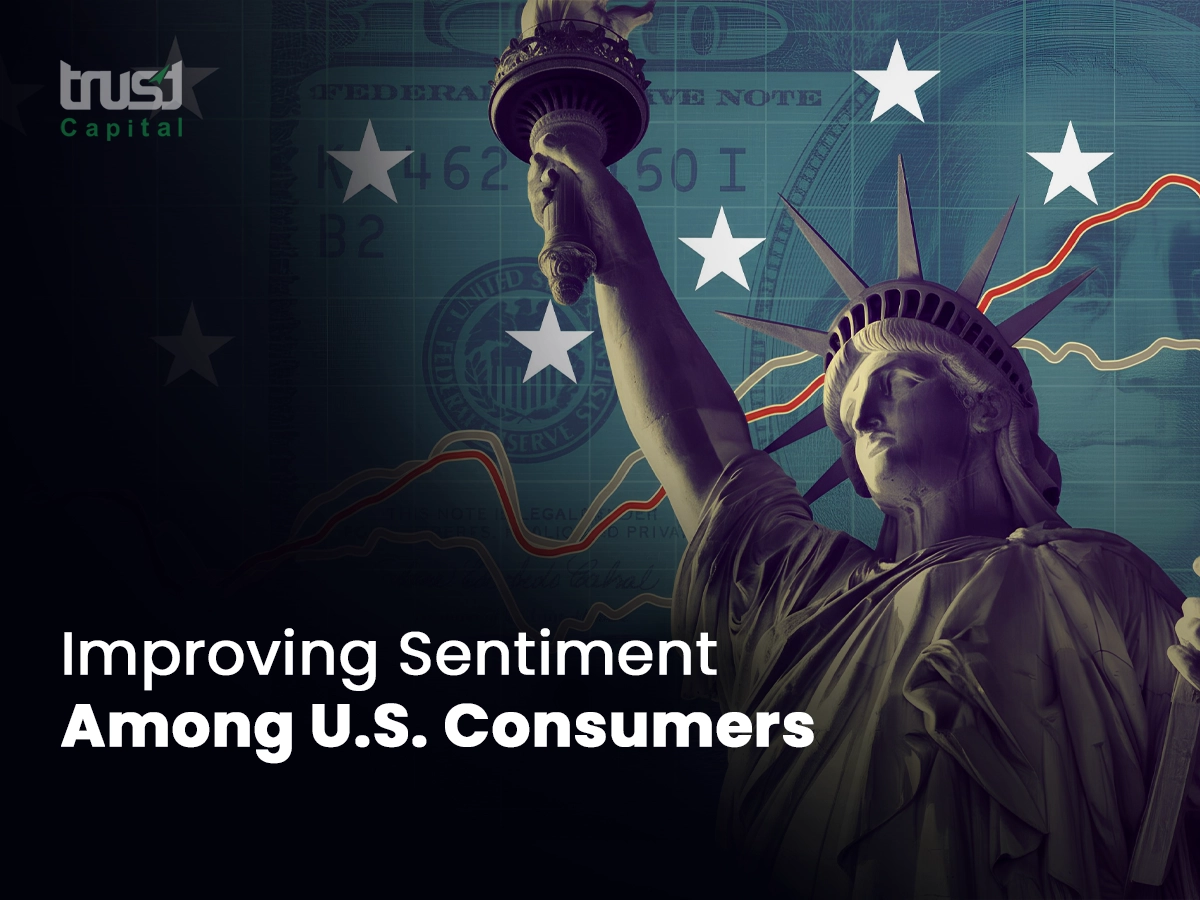
A noticeable shift is occurring across the U.S. economy as households regain confidence in their financial futures. After a prolonged period of inflationary pressure and monetary tightening, rising consumer sentiment is emerging as one of the most promising US economic signals, offering insight into the broader US economy outlook as the year draws to a close.
Inflation Easing and Improved Financial Stability
One of the strongest contributors to improving sentiment is the easing of inflation. The recent inflation-easing impact has helped stabilise prices across essential goods and services, easing pressure on household budgets. As real incomes gradually recover, consumers feel more confident about their purchasing power, an important influence on consumer spending trends.
Lower inflation anxiety has also reduced uncertainty around everyday expenses, allowing households to plan better. This stabilisation is increasingly viewed as one of the best economic growth factors supporting the current economic growth outlook in the U.S.
Shifting Interest Rate Expectations
Another key driver behind rising consumer sentiment is the change in interest rate expectations. While borrowing costs remain elevated, markets are seeing clearer signals that aggressive rate hikes are nearing an end. This clarity has eased financial stress for consumers managing loans, mortgages, and credit.
More predictable monetary policy strengthens confidence in long-term financial decisions and is widely recognised among the top consumer confidence indicators. Stable interest rate expectations also contribute to a more balanced top US economy outlook.
Labour Market Resilience

Employment stability continues to be one of the best consumer confidence indicators. Despite global uncertainty, the U.S. labour market has remained resilient, with steady job creation and relatively low unemployment. Job security directly impacts household optimism, encouraging spending rather than precautionary saving.
A strong labour environment consistently ranks among the top economic growth drivers, reinforcing confidence across income levels and supporting the broader economic growth outlook.
Consumer Spending Trends Strengthen
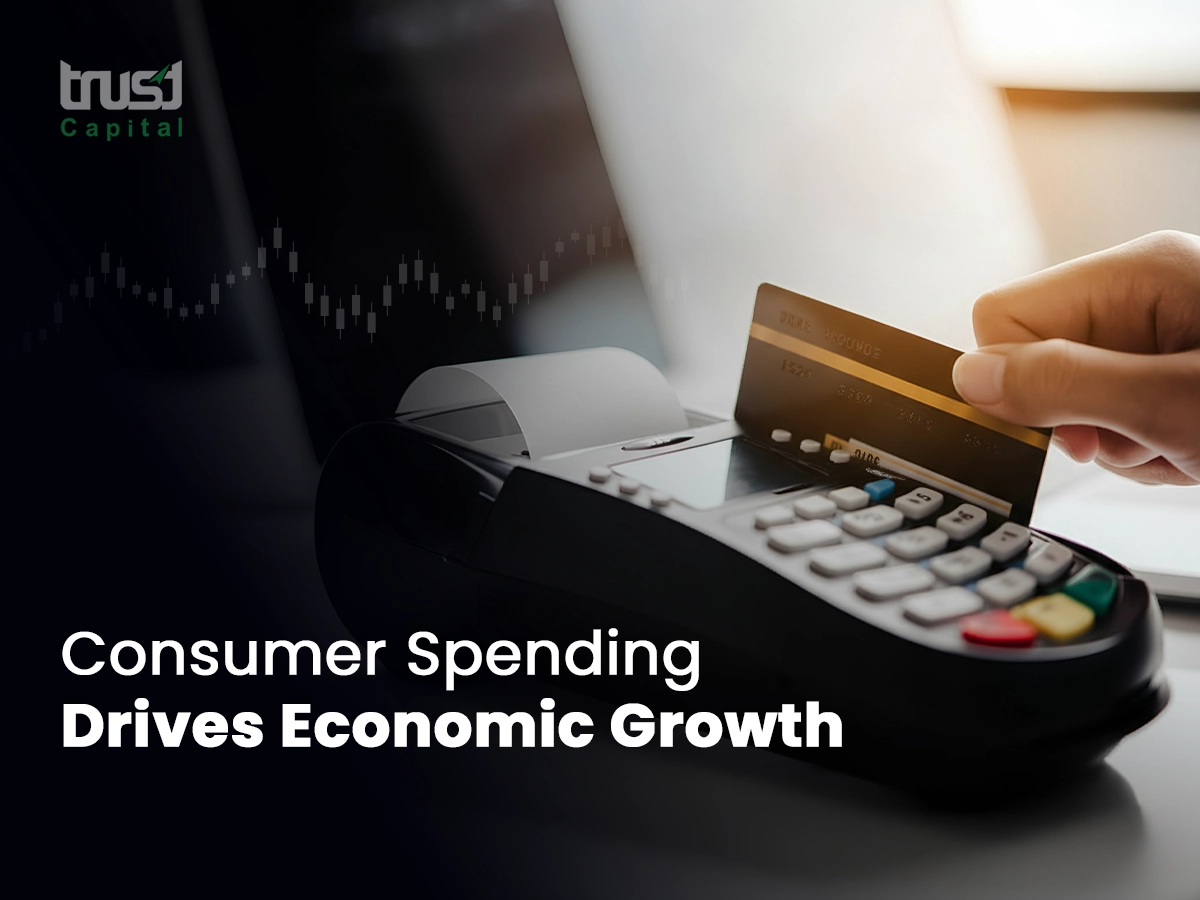
As confidence improves, consumer spending trends are showing renewed strength, particularly in services, travel, and lifestyle-related sectors. Since consumer spending forms the backbone of the U.S. economy, this trend acts as both a signal and a catalyst for continued growth.
Market Stability and Wealth Effects
Stabilising financial markets has also played a role in boosting confidence. As household wealth recovers through equities and savings, consumers experience a positive “wealth effect,” encouraging higher discretionary spending. This psychological lift further supports rising consumer sentiment and strengthens the overall US economy outlook. Market stability, combined with improving household balance sheets, remains among the top economic growth drivers influencing confidence levels.
What This Signals for the U.S. Economy
Taken together, easing inflation, resilient employment, clearer monetary policy direction, and improving spending behaviour point toward a more stable economic phase. These elements rank among the top consumer confidence indicators and provide a constructive picture of the top US economy outlook moving forward.
While external risks remain, the upward trend in confidence suggests consumers are better positioned to support sustainable growth, making confidence data one of the best US economic signals to monitor.
Conclusion
The rise in US consumer confidence reflects a convergence of positive developments rather than a single catalyst. From easing inflation and steady employment to favourable interest rate expectations and improving consumer spending trends, these factors collectively form the best economic growth factors shaping the current U.S. economic environment.
As confidence strengthens, it reinforces optimism around the economic growth outlook and confirms consumer sentiment as a key pillar among today’s top US economic trends.


